How to Choose the Best Soundproof Windows for HDB Flats?
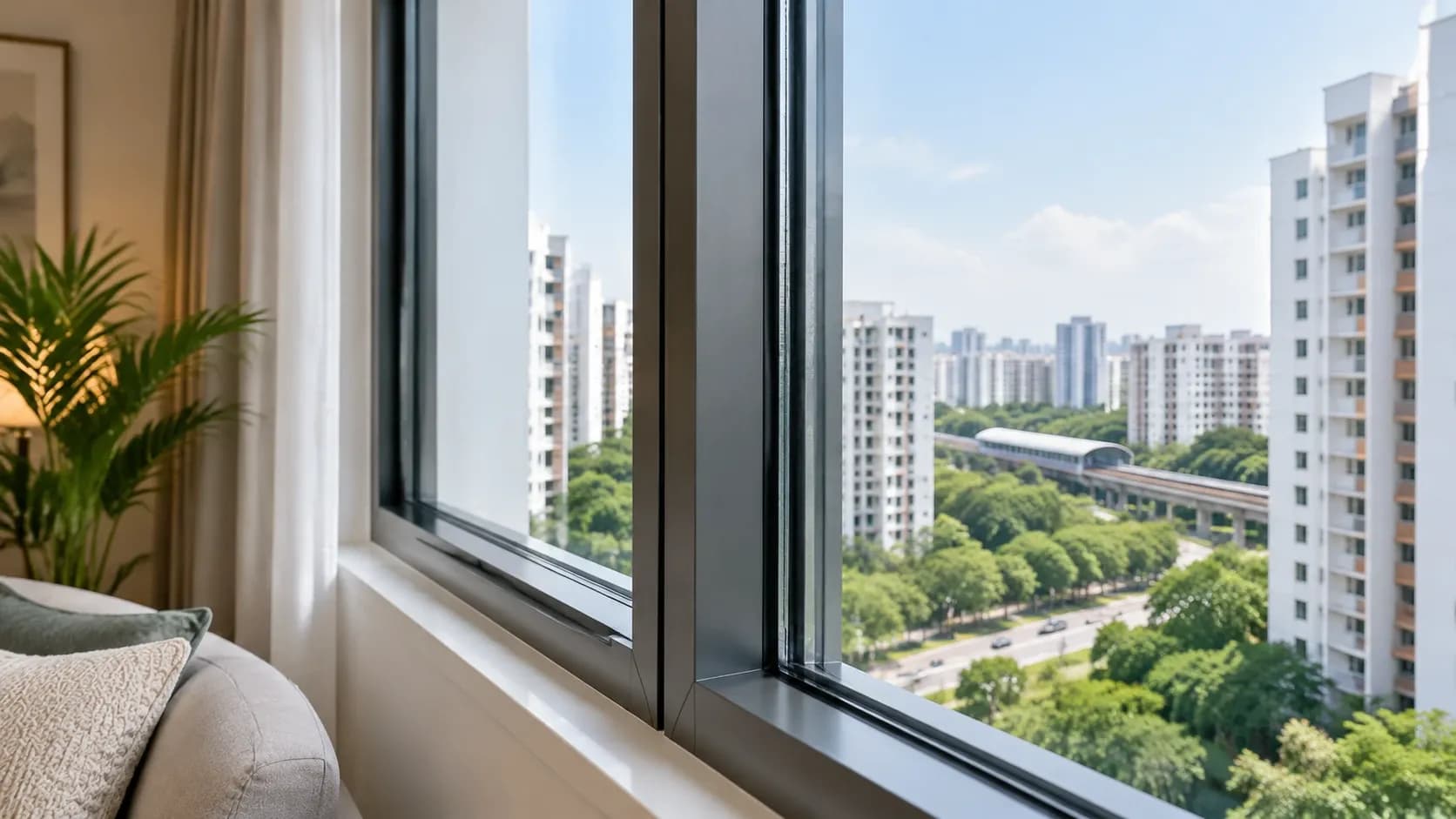
Living in an HDB flat near a busy road, MRT line, bus route or active neighborhood can make outside noise a daily problem.
Traffic, motorcycles, buses and other urban sounds can enter through windows even when they are closed. In some flats, the problem may be related to the glass itself. In others, gaps, worn seals, the frame or the way the window closes may be contributing to the noise.
This is why choosing the best soundproof windows for HDB flats is not simply about selecting the thickest glass.
A better approach is to look at the complete window system and match it to the actual noise problem.
This guide explains the main options, what to check before upgrading your HDB windows and how to compare acoustic window solutions.
What Makes a Window Good for Soundproofing?
A window's acoustic performance depends on several components working together.
The main factors are:
• Glass
• Frame
• Seals and gaskets
• Window configuration
• Installation
• The distance and type of noise source
A high-performance glass panel can still provide disappointing results if there are gaps around the frame.
Likewise, improving the seals may not be enough when the existing glazing provides limited acoustic separation.
The best solution is therefore the one that addresses the weakest part of the existing window system.
Start by Identifying the Main Noise Source
Before choosing a soundproof window, identify the type of noise affecting your HDB flat.
Traffic Noise
Cars, buses, motorcycles and heavy vehicles can produce different sound characteristics.
A bedroom facing a busy road may therefore need a different acoustic approach from a room exposed mainly to neighborhood activity.
MRT and Transport Noise
Transport-related noise may be intermittent, repetitive or continuous depending on the location and surrounding environment.
The window configuration should be considered according to the actual sound problem instead of assuming that one glazing type works equally well in every situation.
Construction Noise
Construction activity can involve both airborne and impact noise.
A window upgrade can help when the window is a major pathway for outdoor sound, but it cannot prevent sound entering through walls or other parts of the building.
Neighborhood Noise
Voices, outdoor activities and general urban noise can also affect an HDB home.
Understanding the source first makes it easier to select the appropriate acoustic approach.
Acoustic Laminated Glass
Acoustic laminated glass is one of the main options to consider when external noise is a concern.
Laminated glass consists of multiple glass layers bonded together with an interlayer. This construction can help damp sound transmission.
For HDB applications, acoustic laminated glass may be worth considering when the objective is to improve sound separation while maintaining the visual appearance and natural light associated with a glass window.
However, acoustic laminated glass should not be evaluated by itself.
The surrounding frame, seals and installation still play an important role.
The right specification depends on the existing window and the noise affecting the property.
Double-Glazed Windows
Double glazing uses two panes of glass separated by a cavity.
This creates a different acoustic arrangement from a single pane and can contribute to improved sound insulation when the complete system is appropriately designed.
However, simply choosing a double-glazed window does not guarantee the same acoustic result for every HDB flat.
Performance can depend on:
• Glass combination
• Cavity spacing
• Frame construction
• Seals
• Installation
• Noise characteristics
In some applications, laminated glass can also be combined with multiple glazing layers.
The important question is not simply whether the window is double glazed.
The more useful question is whether the complete double-glazed configuration is suitable for the specific noise problem.
Single Glazing vs Acoustic Glazing
Standard single glazing can provide basic separation from outdoor sound.
However, when an HDB flat is exposed to significant traffic or transport noise, homeowners may need to consider a glazing configuration designed for better sound attenuation.
Acoustic laminated glass can provide a different acoustic performance from standard single glazing because of its laminated construction.
Still, the frame and seals need to be assessed at the same time.
Changing the glass without addressing gaps around the window may leave a substantial sound pathway.
Why the Window Frame Matters
The frame supports the glass and forms part of the sealed boundary between the interior and exterior.
A frame with poor alignment, damaged joints or gaps can reduce the benefit of improved glazing.
Before choosing a replacement or retrofit, check:
• Frame condition
• Alignment
• Closing mechanism
• Joints
• Hardware
• Connection between the frame and surrounding wall
This is particularly important when upgrading an existing HDB window rather than replacing the whole installation.
Do Window Seals Make a Difference?
Yes.
Seals and gaskets help minimize openings around the moving and fixed parts of the window.
Worn or damaged seals can allow sound to pass through even when the glass itself has been upgraded.
Look for:
• Cracked seals
• Compressed rubber
• Visible gaps
• Loose window panels
• Windows that do not close firmly
Improving the sealing may help in some cases, but it should be treated as part of the complete acoustic assessment.
What Is the Best Type of Window for an HDB Flat?
There is no single window configuration that can be called the best for every HDB flat.
The better choice depends on the existing window and the source of the noise.
A practical comparison is:
Standard single glazing
Suitable when basic separation is sufficient, but it may not be the preferred option when stronger acoustic performance is required.
Acoustic laminated glass
Worth considering when improved sound attenuation is an important objective.
Double glazing
Can provide improved sound insulation when the glass, cavity, frame and seals are appropriately designed.
Laminated plus multiple glazing
A combination may be considered where a higher level of acoustic performance is needed and the window design permits it.
Secondary glazing
Can be considered when retaining the existing window is important and there is sufficient space for an additional glazing layer.
The right choice should be based on the property rather than a generic ranking of window types.
Can You Upgrade Existing HDB Windows?
In some situations, an existing window may be suitable for an acoustic upgrade instead of complete replacement.
Possible approaches can include:
• Improving seals
• Correcting alignment
• Repairing window components
• Upgrading suitable glazing
• Adding secondary glazing
However, not every existing frame can accept every glass configuration.
A heavier or differently constructed glass panel may require a suitable frame and hardware arrangement.
A professional assessment should therefore be carried out before selecting the final specification.
Should You Replace the Whole Window?
Not necessarily.
The first question should be whether the existing window is still suitable.
If the glass is the main weakness but the frame remains in good condition, a glazing upgrade may be considered.
If the seals are damaged, improving the sealing may help.
If the frame or overall window condition is poor, complete replacement may be more appropriate.
Replacing the whole window can be a sensible solution in some situations, but it should not automatically be assumed to be necessary for every noisy HDB flat.
What About Secondary Glazing?
Secondary glazing involves adding an additional glazing layer while retaining the original window.
This can create another barrier between the indoor space and outside noise.
It may be worth considering for homeowners who want to retain the existing window or where a complete replacement is not the preferred approach.
Its performance depends on details such as:
• Distance between glazing layers
• Sealing
• Frame construction
• Existing window condition
• Installation quality
Because these factors vary between homes, secondary glazing should be assessed as a complete system rather than treated as a universal solution.
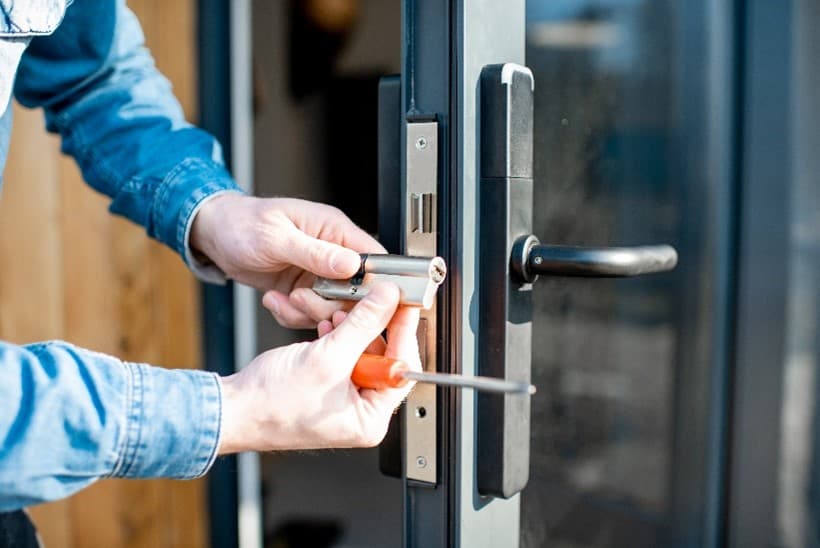
HDB Requirements You Should Check Before Window Work
HDB has specific requirements covering window installation and replacement work.
HDB states that window installation or replacement in HDB flats must be carried out by BCA-approved window contractors listed with HDB. HDB also provides specific requirements for different window types and replacement situations. A renovation permit is required for window replacement work.
For the latest requirements, check the official HDB window works guidance before arranging any window replacement or modification.
HDB also recommends regular checks and maintenance of windows and advises homeowners to engage an approved contractor for window retrofit, repair or replacement work.
How to Choose the Right Soundproof Window for Your HDB Flat
Before choosing a product, go through the following questions.
What Noise Are You Trying to Reduce?
Identify whether the primary issue is traffic, buses, motorcycles, MRT noise, construction or general outdoor activity.
Is the Existing Frame in Good Condition?
A sound frame gives you more options for an upgrade.
Are the Seals Still Effective?
Worn seals may create a sound pathway around the glass.
What Glass Configuration Is Being Proposed?
Ask whether the proposal uses standard glass, laminated glass, acoustic laminated glass, double glazing or a combination.
Is the Acoustic Rating for the Glass or the Whole Window?
This is an important distinction when comparing quotations.
How Will the Window Be Installed?
Poor sealing, gaps or incorrect alignment can affect the finished result even when the selected glass is appropriate.
How Much Noise Reduction Should You Expect?
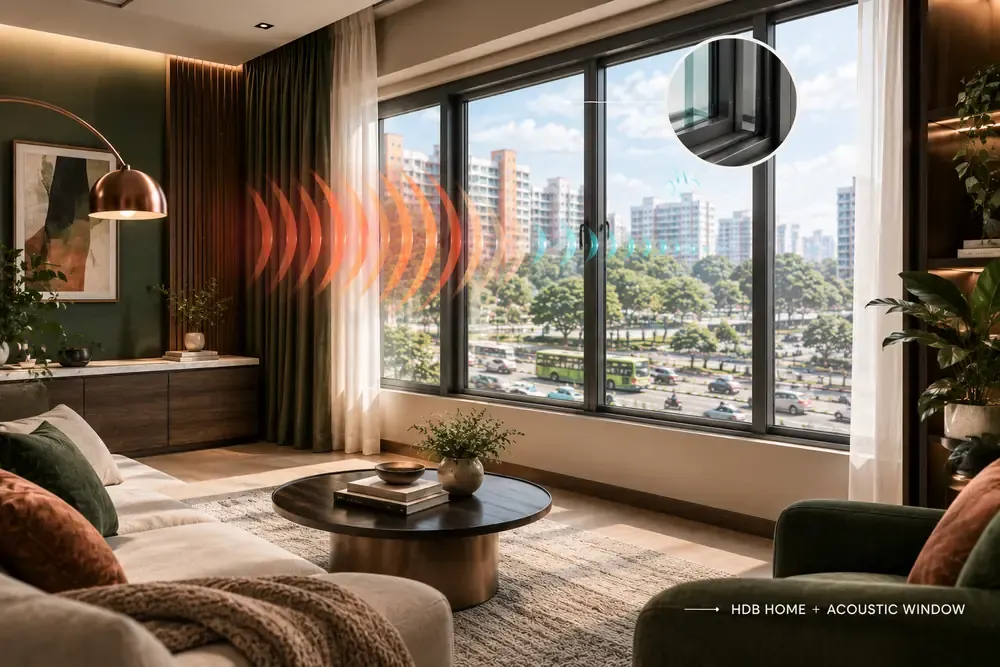
There is no universal noise-reduction figure that applies to every HDB flat.
The final result can depend on:
• Existing window condition
• Glass specification
• Frame design
• Sealing
• Installation
• Type of noise
• Distance from the noise source
• Other sound paths in the building
Noise can also travel through walls, doors, ventilation openings and other building elements.
For this reason, it is better to evaluate the complete window system rather than choosing a product because it advertises a fixed percentage of noise reduction.
Common Mistakes When Choosing Soundproof Windows
Choosing Glass Only by Thickness
Thickness is only one part of the acoustic design.
Assuming Double Glazing Is Always the Best
Double glazing can help, but the complete configuration matters.
Ignoring Window Seals
A gap around the window can remain a sound pathway.
Replacing the Window Without Checking HDB Requirements
HDB window requirements should be checked before work begins.
Expecting Complete Silence
No window can guarantee that every sound from outside will disappear.
The goal should be a practical reduction in sound transmission through the window system.
Soundproof Windows for HDB Bedrooms
Bedrooms are often where outside noise becomes most noticeable.
If a bedroom faces a busy road or transport route, start by assessing whether the window is the main sound pathway.
Check the glass, frame, seals and closing mechanism.
Then compare whether a glazing upgrade, secondary glazing, improved sealing or a complete window replacement is the most appropriate approach.
For a bedroom, acoustic performance also needs to be balanced with natural light, ventilation, appearance and the practical requirements of the existing flat.
What Should You Ask a Contractor Before Installation?
Before accepting a proposal, ask:
What is the main source of the noise?
Is my existing window suitable for an upgrade?
Can the existing frame be retained?
What type of glass is being proposed?
What will be done to the seals?
Is the quoted acoustic performance for the glass or the complete window?
Would secondary glazing be suitable?
Does the proposed work comply with HDB requirements?
What exactly is included in the installation?
These questions can help you compare different solutions on the basis of the actual window system rather than simply the glass thickness or price.
AM Glass Solution for HDB Acoustic Window Solutions
AM Glass Solution offers acoustic glass solutions in Singapore for HDB homes and other residential and commercial applications. Its service information includes HDB bedroom soundproof windows, laminated acoustic glass, single- and double-glazed options, acoustic seals and professional installation.
For an HDB project affected by external noise, the practical starting point is to assess the existing window and identify whether the glass, frame, seals or complete installation needs attention.
Final Thoughts
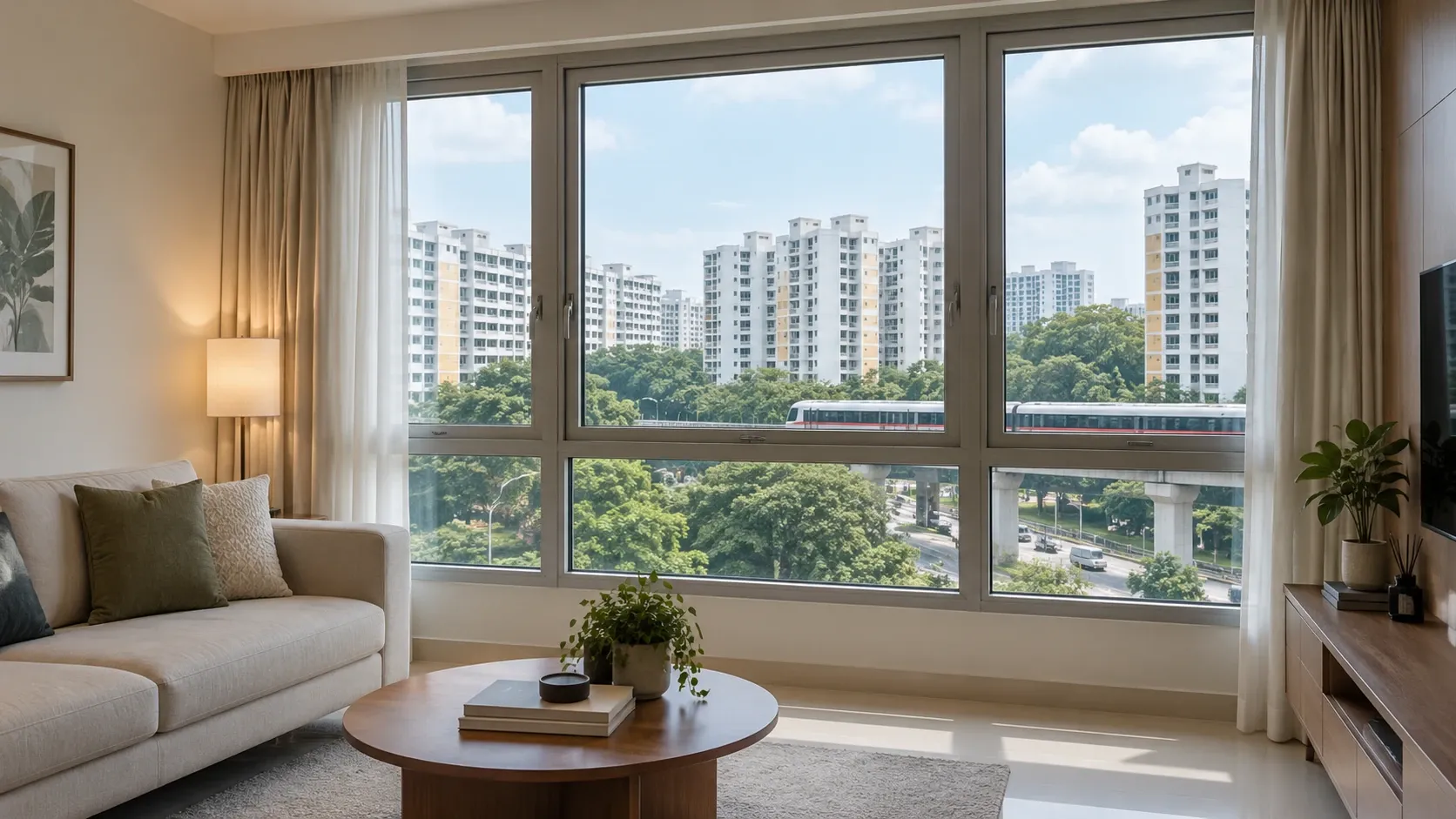
The best soundproof windows for HDB flats are not necessarily the thickest, most expensive or most heavily marketed options.
The right choice depends on the source of the noise and the condition of the existing window.
Acoustic laminated glass, double glazing, improved seals and secondary glazing are all options that may be considered depending on the project.
The frame and installation are just as important as the glazing.
For HDB homes, the applicable window requirements also need to be checked before replacement or modification work begins. HDB requires window installation and replacement works to be carried out by the appropriate BCA-approved window contractor listed with HDB. Housing & Development Board
A practical approach is to assess the current window first, identify the main sound pathway and then select a solution that fits both the acoustic problem and the requirements of the home.
H2: Frequently Asked Questions
H3: What Are the Best Soundproof Windows for HDB Flats?
There is no single best configuration for every HDB flat. The appropriate choice depends on the noise source, existing window, glass, frame and seals.
H3: Is Acoustic Laminated Glass Good for HDB Windows?
It can be considered when improved sound attenuation is required, subject to the suitability of the complete window system.
H3: Is Double Glazing Better Than Single Glazing for Noise?
A properly designed double-glazed system can provide improved sound insulation, but the result depends on the glass, cavity, frame, seals and installation.
H3: Can I Upgrade My Existing HDB Window?
In some situations, an existing window can be repaired, resealed, upgraded or paired with secondary glazing instead of being completely replaced.
H3: Do Window Seals Affect Soundproofing?
Yes. Gaps or worn seals can allow sound to pass through the window perimeter.
H3: Does Thicker Glass Always Reduce More Noise?
No. Glass thickness is only one factor in acoustic performance.
H3: Can Soundproof Windows Completely Block Traffic Noise?
No. Sound can still travel through walls, doors, ventilation openings and other parts of the building.
H3: Do I Need an Approved Contractor for HDB Window Works?
Yes. HDB states that window installation, replacement and related window works must be carried out by the appropriate BCA-approved window contractor listed with HDB. Housing & Development Board
Suggested Tags
best soundproof windows for HDB flats, HDB soundproof windows, soundproof windows Singapore, acoustic windows Singapore, acoustic glass Singapore, HDB window noise reduction, soundproof HDB bedroom, acoustic laminated glass Singapore, double glazed windows Singapore, traffic noise reduction, HDB window replacement